How Long Does a Home Renovation Take?
Author:
Nathan Brown
Updated:
Read Time:
4 min read
Introduction
Home renovations can dramatically improve your living space, but they also require careful planning—especially when it comes to timelines. Knowing how long each type of project typically takes helps you set realistic expectations, manage your schedule, and avoid frustration.
Timelines vary based on project complexity, the level of customization, and potential delays. Below, we break down typical durations for popular renovation types and discuss the factors that can influence the schedule.
Typical Renovation Timelines
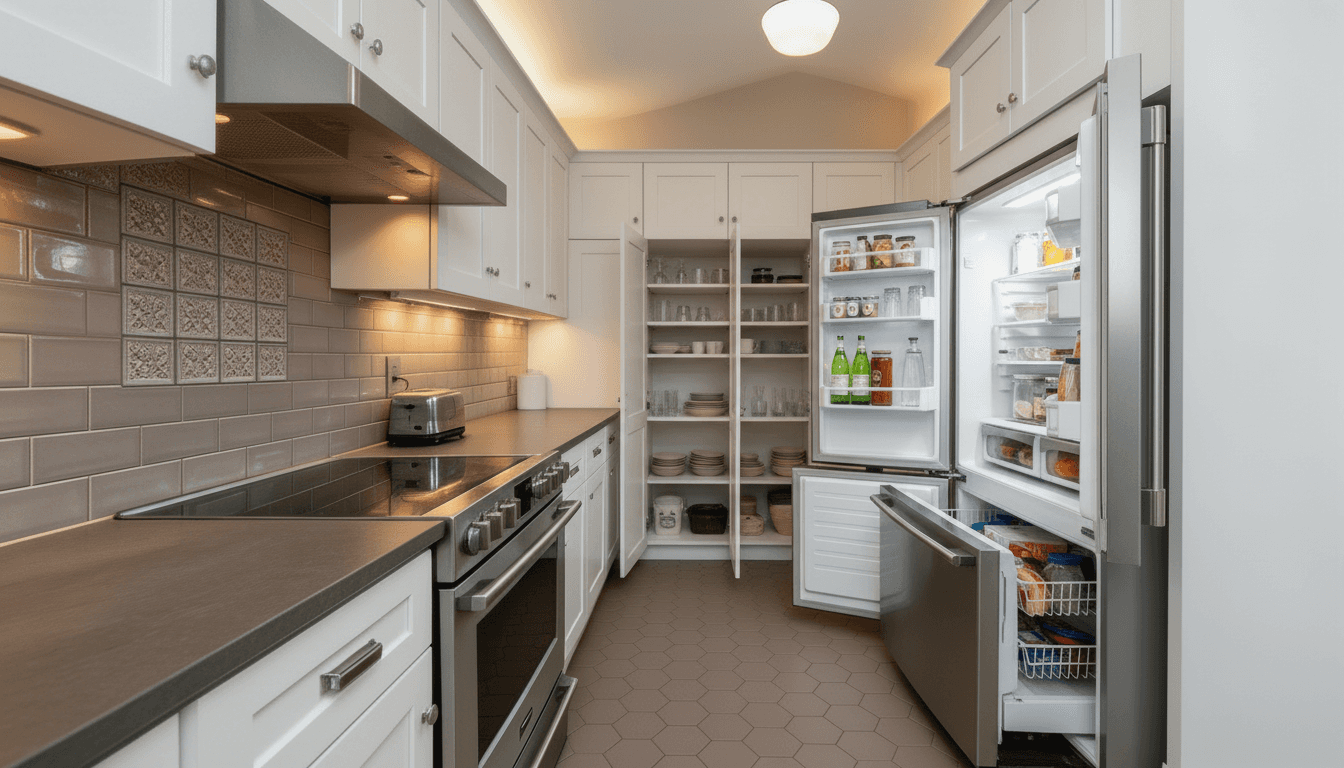
1. Kitchen Renovation (6–10 Weeks)
Kitchen remodels are often the most complex interior project due to plumbing, electrical work, and custom cabinetry.
Timeline Overview:
Demolition and prep: 1 week
Plumbing/electrical rough-in: 1–2 weeks
Cabinetry and countertops installation: 2–4 weeks
Flooring, lighting, and finishes: 2–3 weeks
Factors that may extend timelines:
Custom cabinets with longer fabrication times
Specialty countertops such as quartz or marble
Appliance delivery delays
A typical mid-range kitchen remodel takes 6–10 weeks from start to finish, with high-end custom projects potentially taking longer.
2. Bathroom Renovation (4–8 Weeks)
Bathrooms are smaller spaces, but plumbing and waterproofing requirements make them time-intensive.
Timeline Overview:
Demolition and prep: 2–4 days
Plumbing and electrical updates: 1–2 weeks
Tile, flooring, and vanity installation: 2–3 weeks
Final fixtures and finishes: 1 week
Complexities such as heated floors, custom tile patterns, or freestanding tubs may extend the timeline. Generally, a standard bathroom renovation takes 4–8 weeks.
3. Basement Renovation (8–12 Weeks)
Finishing a basement requires attention to moisture protection, insulation, and layout design.
Timeline Overview:
Demolition and moisture remediation: 1–2 weeks
Framing and insulation: 1–2 weeks
Electrical, plumbing, HVAC rough-in: 2–3 weeks
Drywall, flooring, and finishes: 3–4 weeks
Adding a bathroom, wet bar, or custom built-ins can add extra time. Overall, basement finishing typically takes 8–12 weeks.
4. Accessory Dwelling Unit (ADU) Construction (4–6 Months)
ADUs are essentially small homes, so they involve full-scale construction including foundation, framing, utilities, and finishes.
Timeline Overview:
Site preparation and foundation: 3–4 weeks
Framing and roofing: 4–6 weeks
Rough-in plumbing, electrical, HVAC: 4–6 weeks
Interior finishes and inspections: 6–10 weeks
ADU construction often takes 4–6 months from start to finish, depending on size, customization, and permitting requirements.
Factors That Influence Renovation Timelines
1. Permit Delays
Permits are often the single largest source of project delays. Different municipalities have varying processing times, and inspections must be passed at multiple stages. Building code compliance is critical for safety and resale value, so factoring in permit approval time is essential.
2. Material Lead Times
Supply chain delays can significantly affect project timelines. Custom cabinetry, imported tiles, specialty fixtures, and countertops may take several weeks or even months to arrive. Ordering materials early and confirming lead times with suppliers helps prevent costly hold-ups.
3. Custom Work
Custom designs—from cabinetry to tile layouts to built-in furniture—add time to a renovation schedule. While these elements enhance functionality and aesthetics, homeowners should be prepared for extended timelines compared to standard, off-the-shelf options.
Conclusion
The duration of a home renovation depends on project type, complexity, and unforeseen delays. Standard timelines include:
Kitchen: 6–10 weeks
Bathroom: 4–8 weeks
Basement: 8–12 weeks
ADU: 4–6 months
By understanding these typical timelines and accounting for permits, material lead times, and custom work, homeowners can plan more effectively and reduce stress throughout the renovation process. Proper preparation ensures projects are completed efficiently, on budget, and with high-quality results.